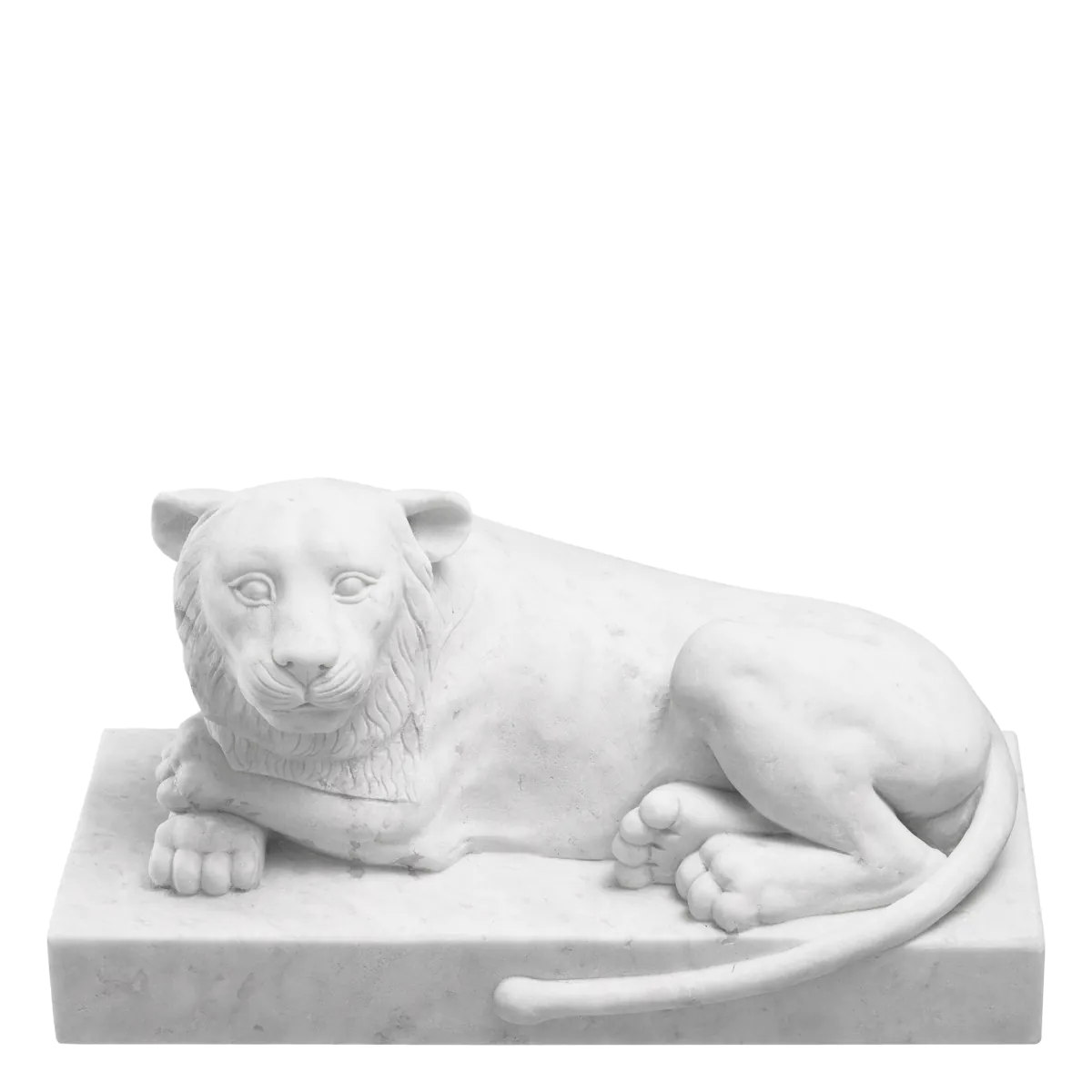
Object Reclining Lion marble
1931 €
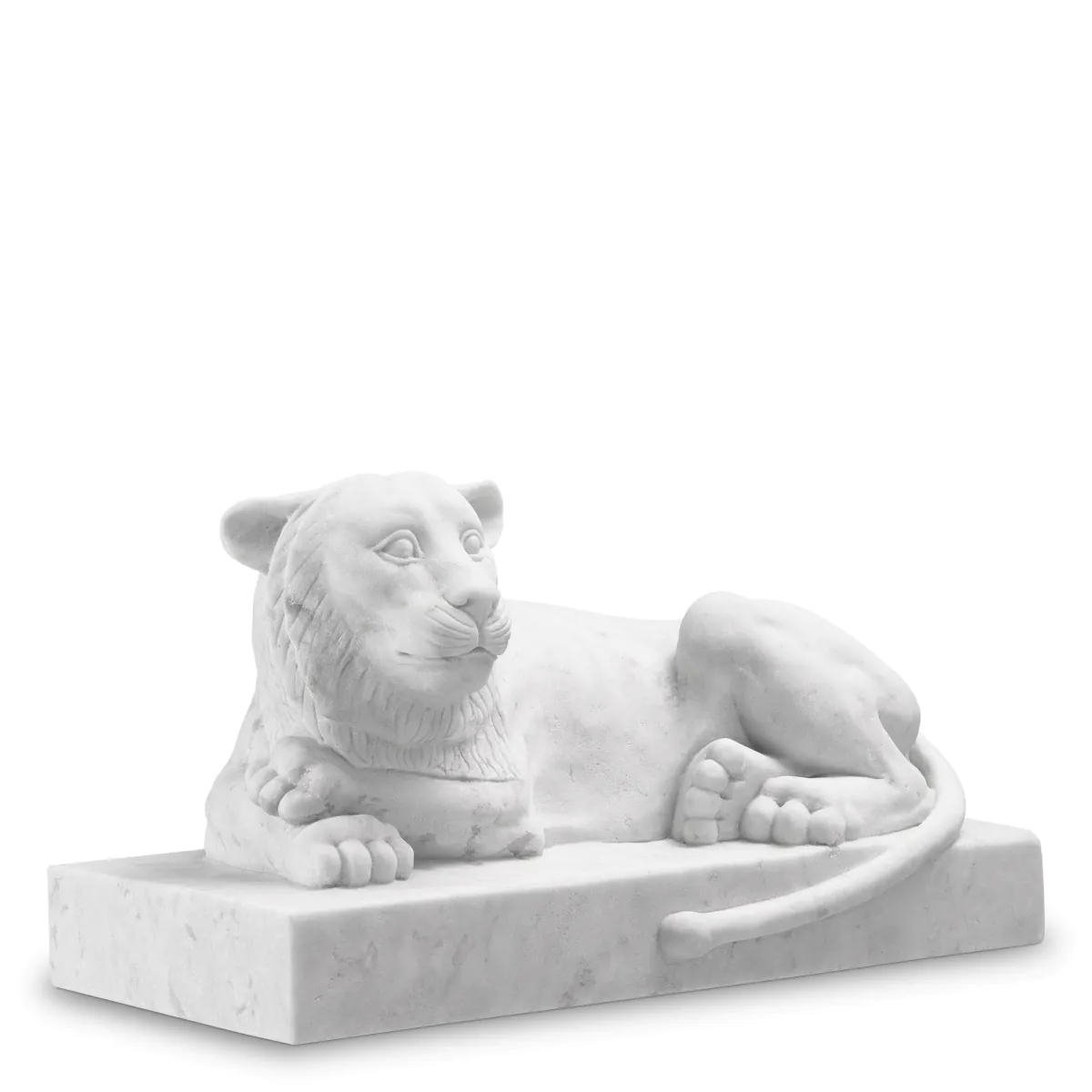
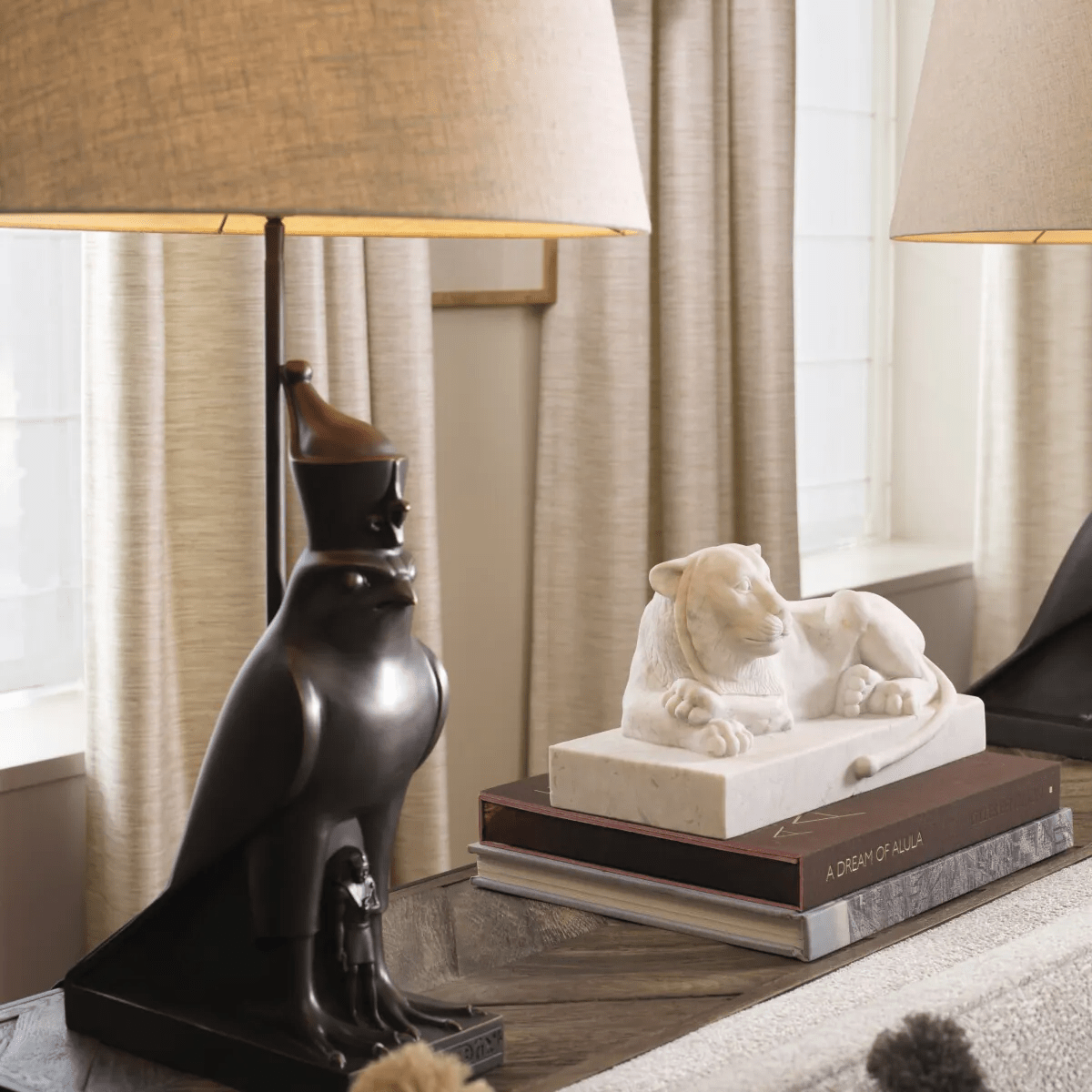
The “Reclining Lion” art piece, inspired by its vigilant muse, captures a majestic moment in marble.
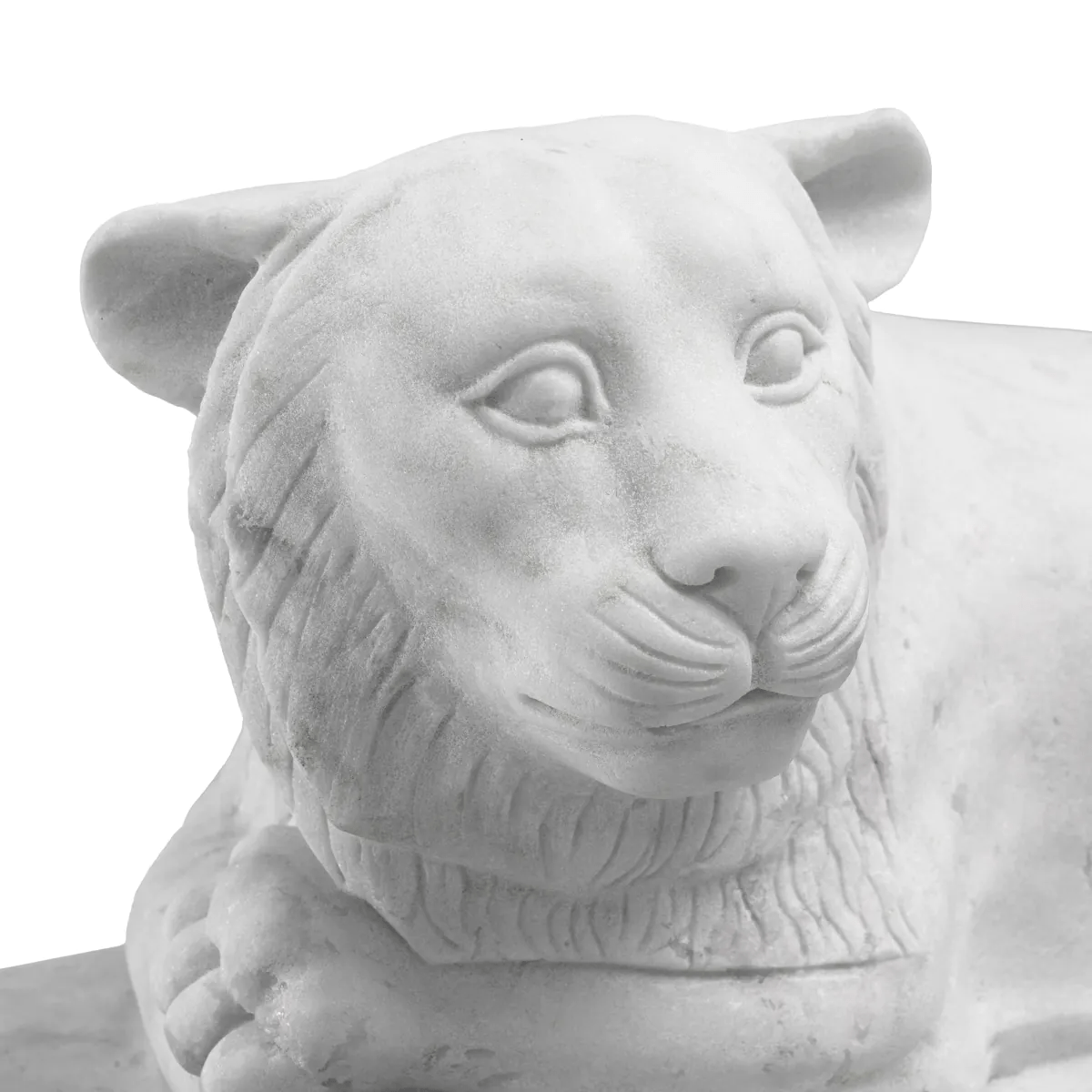
Handcrafted with precision, each piece is unique, showcasing variations in color and veining. It echoes the symbolism of lions guarding temple entrances—a sign of regal strength and divine protection. Allow this sculpture to grace your space with its powerful presence, a reminder of the enduring forces that watch over the sacred.
HISTORIC PROVENANCE
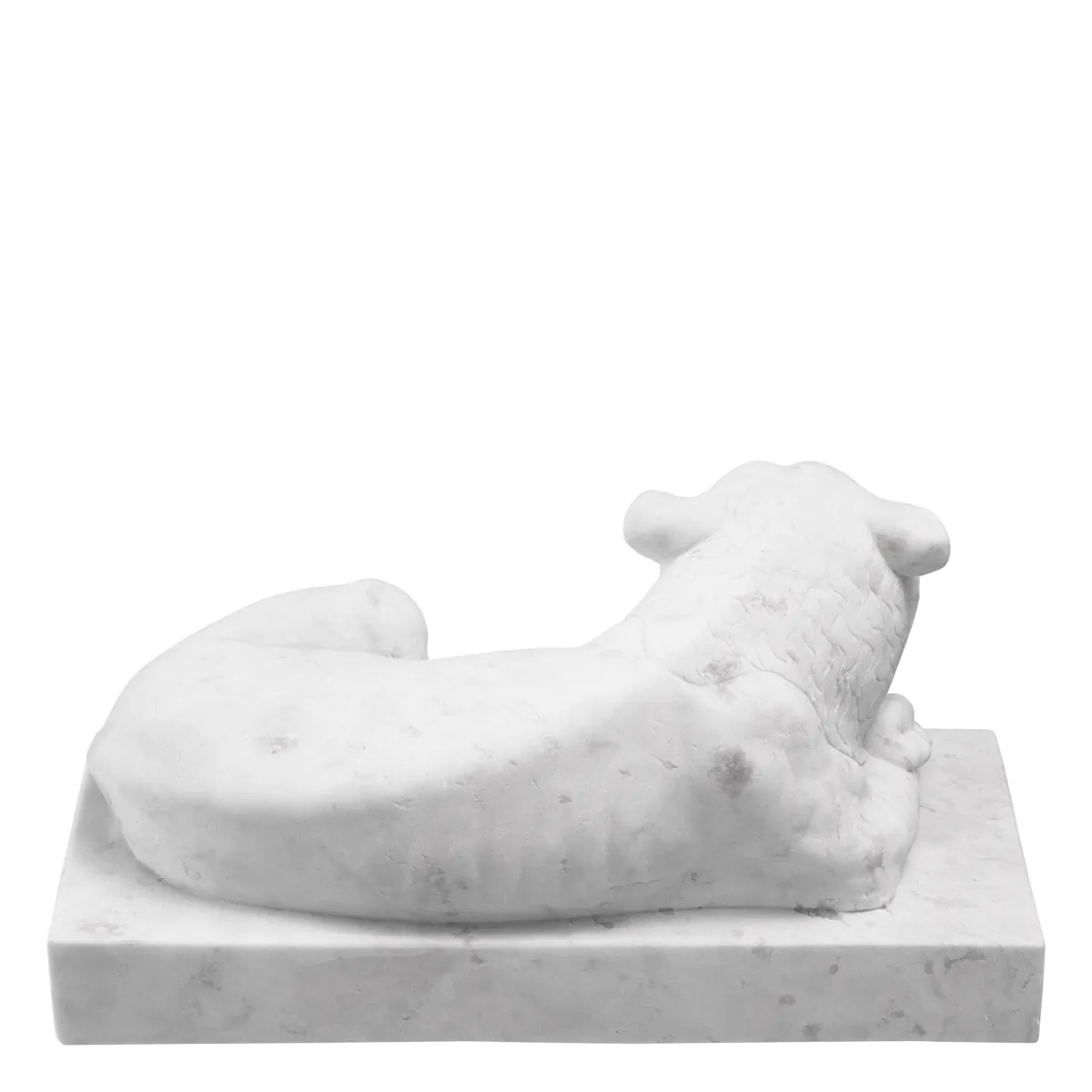
The Object Reclining Lion is a recreation of a Ptolemaic- or Roman-period Egyptian sculpture of a reclining lion (332 B.C.–A.D. 364) at The Metropolitan Museum of Art in New York. Originally carved from limestone, the lion seems at rest yet alert with its large, placid head facing the viewer. It is known that pairs of lions such as this one might have flanked the entrances to ancient temples. Lions were associated with royalty, and suggested powerful protective forces over temples and gods. This reinterpretation has been exquisitely handcarved in white marble, affording each piece a unique color and natural veins. The sculpture rests on a white marble plinth.
Specifications
Extra info-Marble is a natural material, each piece differs in color and veiningIndoor/outdoor-Indoor use/dry locations only
Care instructions

How to care for wood veneer
Veneer furniture is covered in a thin layer of real hardwood. Veneers are often used in high end furniture pieces and can be more costly than solid wood. Mid 20th century it became especially popular in interiors when teak wood was often used for Danish design furniture.
To fully enjoy your wood veneer furniture, please follow a few basic rules:
Cleaning and maintenance
Wood veneer requires gentle care to preserve the finish. Dust regularly and clean with a soft dry cloth.
Remove spills immediately as moisture can cause the veneer to peel off the surface. Prevent moisture from getting underneath the veneer by quickly and thoroughly cleaning up any spills. In case of water rings, rub the area with naphtha. Follow up with an application of oil or petroleum jelly to completely erase the mark.